
Short answer: The best time for a safari in South Africa is the dry winter season, from May to September. The bush is thin, animals gather at waterholes, and days are mild and sunny, so wildlife is easiest to see. November to March is the green season: hotter, with afternoon storms, but full of newborn animals, migratory birds and lower lodge rates. If you want to pair a safari with Cape Town, aim for September to November or March to April.
By Valentino Meirotti, founder of Famba Famba and Lilizela Award-winning guide. Last updated: November 2026.
Key takeaways
- Best for game viewing: June to September (peak dry season).
- Best for baby animals and birding: November to February.
- Best for a combined safari and Cape Town trip: September to November, or March to April.
- Best value: the green season (November to March, outside the December holidays).
- Malaria-free safari all year: Pilanesberg and Dinokeng, both close to Johannesburg.
The best time for a safari in South Africa, season by season
South Africa’s main safari areas, including Kruger National Park, the private Sabi Sands reserve, Pilanesberg and Dinokeng, sit in the northeast of the country. They have summer rainfall. Cape Town and the Winelands are the opposite: they get their rain in winter. This is why the “best time” depends on where you want to go.
Dry season (May to September): best for wildlife
- Why it is good: Grass dies back and trees lose their leaves, so you can see further into the bush. Water is scarce, so elephants, buffalo, lions and leopards come to the rivers and waterholes where you can find them.
- Weather: Clear, sunny days around 23 to 27°C. Early mornings and evenings are cold, often 5 to 10°C, so open game vehicles feel chilly before sunrise.
- Malaria: Lowest risk of the year in Kruger and the Lowveld.
- Keep in mind: July and the September school holidays are popular. Book top lodges 6 to 12 months ahead.
Green season (November to March): best for newborns, birds and value
- Why it is good: The landscape turns lush and green. Impala, wildebeest and many other antelope give birth from late November, which draws predators. Migratory birds arrive, making this the best time for birdwatching.
- Weather: Hot days, often above 30°C, with short afternoon thunderstorms that cool things down.
- Malaria: Higher risk in Kruger. Speak to your doctor about prevention, or choose a malaria-free reserve.
- Keep in mind: Thicker bush means animals can be harder to spot, but a skilled private guide makes a big difference. Many lodges offer lower green-season rates, except over Christmas and New Year.
Shoulder months (April and October): a good balance
April and October offer comfortable temperatures, fewer crowds and good game viewing. October is usually the last dry month, so animals are still concentrated at water, and the first rains bring the bush back to life. April has cooler days and the green season’s lush landscapes.
Month-by-month guide to a South Africa safari
- January: Hot and green. Young animals everywhere, excellent birding. Great time to visit Cape Town too.
- February: Similar to January, with some of the best lodge rates of the year.
- March: Rains ease, bush still green. A great month to combine a safari with Cape Town.
- April: Cooler, quieter, and a lovely shoulder month for all regions.
- May: Dry season begins. Game viewing improves week by week.
- June: Crisp mornings, clear skies and very good sightings. Cape Town gets its winter rain.
- July: Peak game viewing and peak demand. Book early.
- August: Excellent wildlife viewing and dry, dusty landscapes.
- September: Warmer days, still very dry, and some of the year’s best sightings. Whale season peaks along the Cape coast.
- October: Hot and dry until the first rains. Animals still crowd around water.
- November: First rains, first baby impala, and the start of Cape Town’s summer.
- December: Lush, hot and festive. The busiest holiday month for South Africans, so reserve early.
Where should you go on safari, and when?
Kruger National Park and Sabi Sands
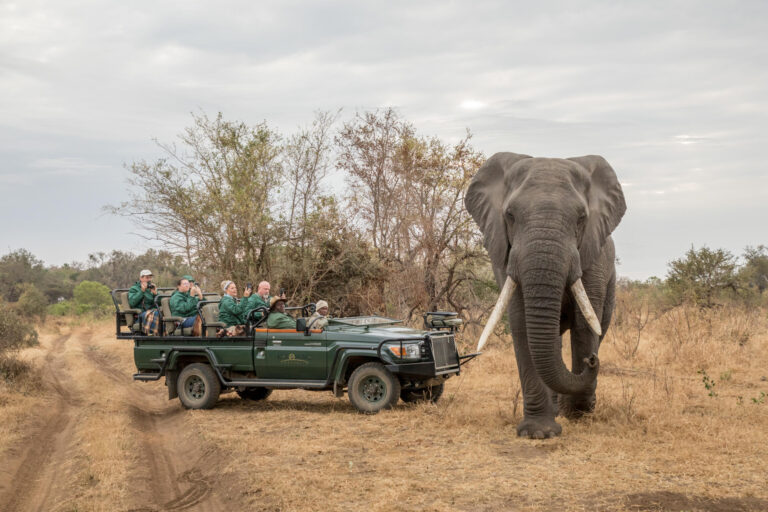
Kruger is South Africa’s largest game reserve and home to the Big Five: lion, leopard, elephant, buffalo and rhino. It is excellent all year, but May to October gives the most reliable sightings. The private reserves on its western border, such as Sabi Sands, allow off-road driving and night drives, so they are rewarding in every season.
See our Kruger National Park Flagship Tour, which adds the Panorama Route to five days of Big Five game drives.
Pilanesberg and Dinokeng (malaria-free, near Johannesburg)
If you are travelling with young children, are pregnant, or simply prefer not to take malaria tablets, Pilanesberg National Park and Dinokeng Game Reserve are malaria-free Big Five areas. Both are easy to reach from Johannesburg, so they work well for a short safari at any time of year.
Try the Pilanesberg 2-Night Getaway or, if you only have one day, the Dinokeng Safari Day Trip.
Combining a safari with Cape Town
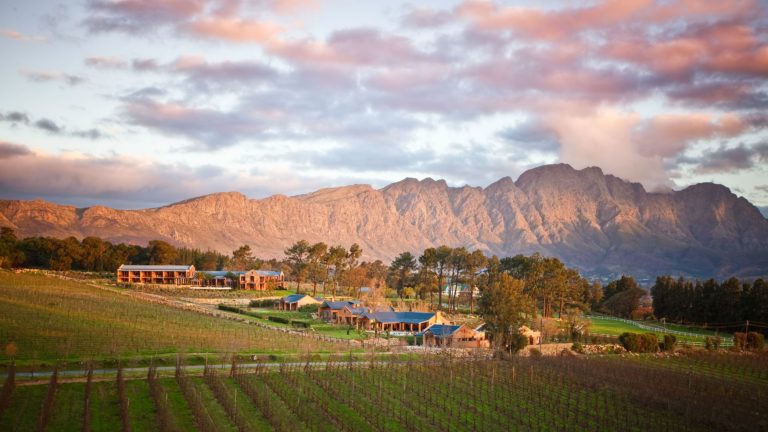
Cape Town is at its best in summer, from November to March, when it is warm, dry and sunny. Kruger is at its best in winter. The sweet spot for both is September to November or March to April: you get good game viewing in the bush and pleasant weather in the Cape.
Our Cape and Kruger Fully Guided Tour and Exclusive Cape and Kruger Experience are built around exactly this combination.
Adding Botswana or Victoria Falls
Many travellers add a neighbouring country to their South Africa safari. The Okavango Delta in Botswana floods in the dry winter months, usually peaking from June to August, which is the classic time for mokoro (dugout canoe) trips. Victoria Falls has the most water from around March to May, and the clearest views of the falls from around August to December.
Explore Botswana, Zimbabwe, or our South Africa, Botswana and Victoria Falls Adventure.
Tips from our guides
- Book early for July to October. The best lodges in Sabi Sands and Kruger fill up first.
- Pack layers in winter. Mornings on an open vehicle can be close to freezing. Our South Africa packing guide has a full list.
- Stay at least three nights. Two or three game drives a day over three nights gives you the best chance of seeing all of the Big Five.
- Choose a private guide. A private vehicle lets you stay longer at a sighting and set your own pace, which matters most in the green season.
- Check malaria advice early. See a travel doctor 4 to 6 weeks before you travel if you are visiting Kruger.
Frequently asked questions
What is the best month for a safari in South Africa?
For pure game viewing, August and September are hard to beat. The bush is at its driest, animals stay close to water, and the weather is sunny and warm by midday.
Is it worth going on safari in South Africa in summer?
Yes. Summer (November to March) brings green landscapes, newborn animals, excellent birdwatching and lower lodge rates. Sightings can take a little more patience because the bush is thicker, but predators are very active during the birthing season.
When is the rainy season in Kruger National Park?
The rainy season in Kruger runs from about November to March. Rain usually falls in short afternoon thunderstorms, so mornings are often clear for game drives.
Where can I go on a malaria-free safari in South Africa?
Pilanesberg National Park and Dinokeng Game Reserve, both within a few hours of Johannesburg, are malaria-free and home to the Big Five. Madikwe and the Eastern Cape reserves are other malaria-free options.
How many days do I need for a safari in South Africa?
We recommend at least three nights in one reserve. Four to five nights, or two different reserves, give you a more relaxed pace and a better chance of seeing all of the Big Five.
When is the best time to combine Kruger and Cape Town?
September to November and March to April. These months give you good wildlife viewing in Kruger and warm, mostly dry weather in Cape Town.
Plan your safari with Famba Famba
Famba Famba has designed private journeys across Southern Africa since 2011, from our base in Johannesburg. Tell us when you would like to travel and what you would love to see, and we will match the season, the reserve and the lodge to you.
Request your tailor-made safari itinerary or browse all our Flagship Tours.